

 See My Latest Article on HelloNation
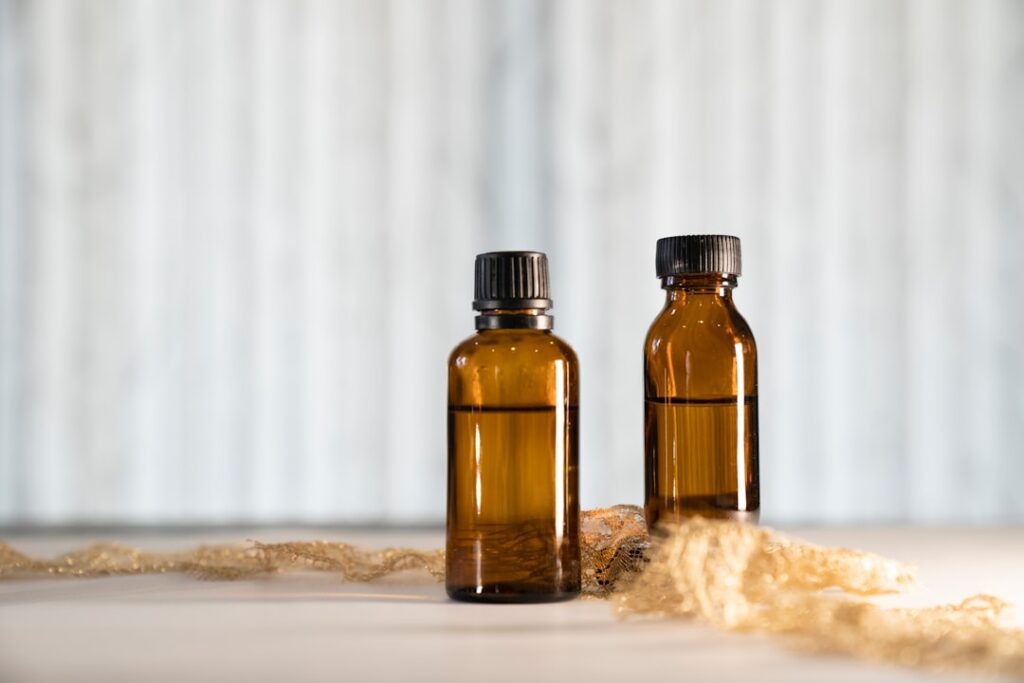
What Are Essential Oils and How Are They Made?
Essential oils are concentrated plant extracts gathered through methods like steam distillation or cold pressing. These substances capture the scent and beneficial components of various botanicals. While the term “essential” refers to the essence of the plant’s aroma, residents in Worland, WY might encounter oils derived from common plants like lavender, peppermint, or pine.
These oils are not the same as fragrance oils or perfumes. Essential oils contain natural plant compounds, often used for their scent or purported wellness properties. For local households, it’s helpful to understand the difference when exploring options for home care, relaxation, or minor support for daily wellness routines.
How Can Residents Use Essential Oils Safely at Home?
Essential oils are potent, and improper use can cause skin irritation, allergic reactions, or harm, especially in dry and windy climates seen in Worland. To use them safely at home:
- Always dilute essential oils before applying to the skin. Mix just a few drops with a “carrier” oil like jojoba or almond oil.
- For scent purposes, a diffuser designed for water-based dispersal can help freshen indoor air, particularly during chilly months when windows remain closed.
- Keep essential oils out of reach of children and pets, as some oils can be toxic if ingested or improperly handled.
Using essential oils directly in baths or undiluted on skin is a common mistake. Begin with less, and observe for any irritation or reaction, especially as the dry Wyoming air may impact skin sensitivity.
What Are Common Uses for Essential Oils?
People in the city use essential oils for purposes like:
- Room fragrance and deodorizing
- Supporting a bedtime routine with calming scents like lavender
- Assisting clarity with scents such as eucalyptus or peppermint, especially when colds circulate more often in colder months
- Lending a fresh aroma to household cleaning routines by adding a few drops to homemade cleaning solutions
It’s important to rely on essential oils for enhancement rather than as a substitute for medical care. No oil can replace a prescribed treatment or advice from a healthcare provider.
Can Essential Oils Be Ingested or Used Undiluted?
Consuming essential oils or using them undiluted on the skin is generally not recommended for beginners. Swallowing even small amounts can be harmful. Some products are marketed for internal use, but this should only be considered under direction from a qualified medical practitioner.
Area residents sometimes hear about oil pulling or adding oils to drinks, but ingesting oils carries real risks, including stomach upset, allergic reactions, or more severe consequences. For use in the home—stick to aromatherapy and diluted topical applications.
How Should Essential Oils Be Stored?
Essential oils degrade over time, particularly when exposed to sunlight or temperature fluctuations common in homes in the region. Store oils in tightly closed, dark glass bottles, away from heat sources, and out of reach of children.
A cabinet or drawer in a cool area works well. Avoid leaving bottles in cars or near windows, where temperature swings are frequent.
Are There Side Effects or Risks to Be Aware Of?
While many people enjoy essential oils without problems, sensitivity varies. Possible concerns include:
- Skin irritation or rash, especially with oils like cinnamon, clove, or citrus
- Breathing difficulties if too much oil is diffused in poorly ventilated areas
- Allergic reactions, more likely among people with known allergies or respiratory issues
Certain oils—such as eucalyptus or tea tree—are never safe for use on or around very young children or pets. If irritation occurs, discontinue use and wash the area with soap and water. Seek medical attention if there is any severe reaction.
How Can Locals Choose Quality Essential Oils?

Product quality varies widely, even among similar-looking bottles. While price is not the only indicator, high-quality oils typically contain only the essential oil and perhaps a carrier oil, with no synthetic fragrances or fillers.
Reading labels carefully is key. Look for:
- The full botanical name (e.g., Lavandula angustifolia for lavender)
- Information about sourcing or country of origin
- Pure and unblended content
Residents interested in learning more can check ingredient lists, request batch information, or ask about third-party testing for purity.
Practical Tips for Everyday Use in Local Homes
Given the climate and lifestyle in Worland, helpful uses include:
- Adding a few drops of eucalyptus or peppermint oil to a bowl of hot water and inhaling the steam cautiously (not for those with asthma)
- Mixing tea tree or lavender oil, diluted, for minor skin relief after gardening or outdoor activities (apply to a small area first)
- Using citrus or pine oils in natural cleaning sprays for homes where keeping fresh air can be tricky during winter months
Avoid using oils directly in humidifiers not rated for essential oils, as this can damage the device or reduce air quality indoors.
What Are Some Common Misconceptions About Essential Oils?
There are a few misunderstandings that often surface in community conversations:
- Essential oils are not a “cure-all” or replacement for medications or medical advice.
- Pure always means safe—some natural compounds can cause harm if misused.
- Larger amounts do not offer more benefits; essential oils are highly concentrated and a little goes a long way.
Gathering unbiased information and starting slowly will help residents incorporate essential oils into their routines safely and effectively.