

 See My Latest Article on HelloNation
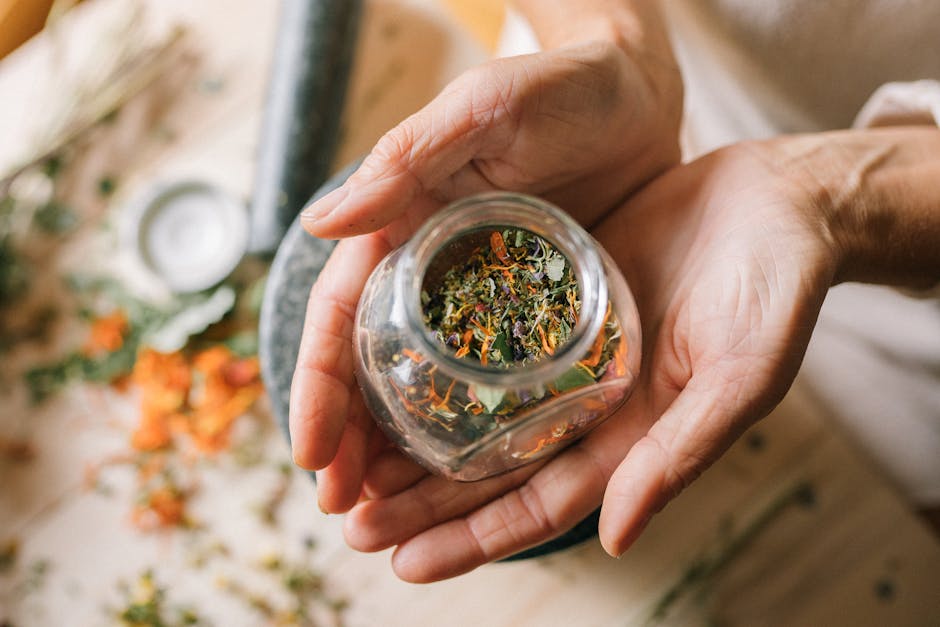
What Are Herbal Remedies, and Why Are They Used in Worland, WY?
Herbal remedies are plant-based preparations used by many in Worland, WY for everyday wellness concerns. Herbal knowledge is passed down through generations and can offer practical options for households interested in a more natural approach to minor health complaints, such as colds, mild pain, and digestive upset. Due to the region’s changing climate and rural traditions, interest in herbs—whether grown in home gardens or sourced from local fields—is part of daily life for some.
Are Herbal Remedies Safe and Effective for Everyday Use?
Most herbal options discussed here have a long history of use and are generally considered safe for otherwise healthy adults when used appropriately. However, effectiveness can vary, and some herbs may not be suitable for those with certain medical conditions or on prescription medications. Care should be taken with dosing, especially for children, pregnant individuals, or those with allergies.
For area residents, herbs offer supportive care for minor ailments, but they should not replace medical treatment for serious conditions. Always use herbs prepared from a reliable source, as wildcrafting in the local region can lead to accidental misidentification or contamination.
How Can Local Residents Use Herbal Remedies for Cold and Flu Relief?
Herbs provide several options for easing cold symptoms, especially during Worland’s fall and winter months when respiratory issues are common. Many families use herb teas, steams, and syrups made at home.
- Elderberry: Often used to make syrup or tea, elderberry (Sambucus nigra) is believed to reduce the duration and severity of colds. The berries must be cooked before use, as raw berries can cause stomach upset.
- Echinacea: This prairie native, occasionally found in local gardens, may modestly support the body’s recovery from upper respiratory infections when taken at early signs of illness.
- Thyme and Sage: Both herbs, easily grown in home gardens, can be steeped in hot water for a comforting tea to soothe sore throats.
These herbal preparations are intended to support comfort during minor infections. If symptoms persist or worsen, medical attention may be needed.
Which Herbs Are Trusted for Minor Digestive Upset?
Mild digestive discomfort is common, especially during seasonal transitions or after changes in diet. Certain locally familiar herbs are frequently turned to for these issues.
- Peppermint: A tea made from peppermint leaves is known to help relieve feelings of bloating, gas, or mild stomach cramps. It can be grown in local gardens or pots.
- Ginger: Traditionally used for nausea or queasy stomach, fresh ginger root can be steeped into a tea. Powdered ginger offers similar benefits for those who cannot source fresh root.
For both of these, moderation is advised—large amounts may worsen symptoms or cause side effects in some people. Those with chronic digestive problems should discuss herbal support with a healthcare provider.
What Herbs Are Commonly Used for Seasonal Allergies in the Community?
Seasonal allergens, like pollen from sagebrush and local grasses, can lead to stuffy noses and itchy eyes in the community. Some turn to herbal remedies to ease mild allergy discomfort.
- Nettle Leaf: Prepared as a dried leaf tea or capsule, nettle has a reputation among herbalists for supporting nasal comfort and reducing irritation from allergens.
- Local Honey: While not an herb, locally produced honey is frequently consumed in the belief it may help the body adapt to regional pollens when taken regularly. Scientific evidence is limited, but many area households report anecdotal benefit.
Herbal support for allergies tends to work best when started before the worst of the pollen season, rather than during peak symptoms.
Are There Herbal Options for Minor Pain or Aches?
Herbs are sometimes chosen for minor pain—such as muscle aches after physical activity or tension headaches. Local outdoor lifestyles and reliance on physical work can increase the frequency of such complaints.
- Arnica (for external use): Used as a cream or gel, arnica is applied to unbroken skin over sore muscles or bruises. It is not for internal use.
- Willow Bark: Sometimes steeped as a tea, willow bark contains a natural compound similar to those found in over-the-counter pain relievers. It may help with mild aches, but should be avoided by those allergic to aspirin or with certain medical conditions.
As always, these remedies are for short-term, mild discomforts. Severe or persistent pain should be evaluated by a medical professional.
What Should Worland Residents Know About Growing and Sourcing Herbs?
Many in Worland enjoy cultivating herbs in home gardens or window boxes. Mint, thyme, sage, and echinacea all tolerate the local climate if protected from harsh winters. Wildcrafting (gathering herbs from nature) is common, but it is vital to differentiate between helpful and potentially harmful plants.
- Use a trusted guidebook for plant identification, as lookalikes can be dangerous.
- Avoid harvesting from areas treated with pesticides or located near busy roads.
- Leave some plants behind to support local wildlife and maintain healthy populations.
Dried herbs are also available for those who prefer the convenience of pre-prepared options.
What Are Common Misconceptions About Herbal Remedies in the Area?
Several myths about herbal remedies circulate in the community:
- "Natural" does not always mean "safe." Overuse or misuse can lead to side effects.
- Herbs are not instant solutions—most provide gentle support rather than immediate cures.
- Mixing herbs with some medications can cause interactions. Always research or ask a knowledgeable source about possible conflicts.
Worland’s climate and traditions shape the types of plants available and methods of use, but the basics of safe, informed herbal practice remain essential everywhere. Individuals with ongoing health concerns, those who are pregnant or nursing, or anyone considering herbs for children, should pay special attention to safety information.