

 See My Latest Article on HelloNation
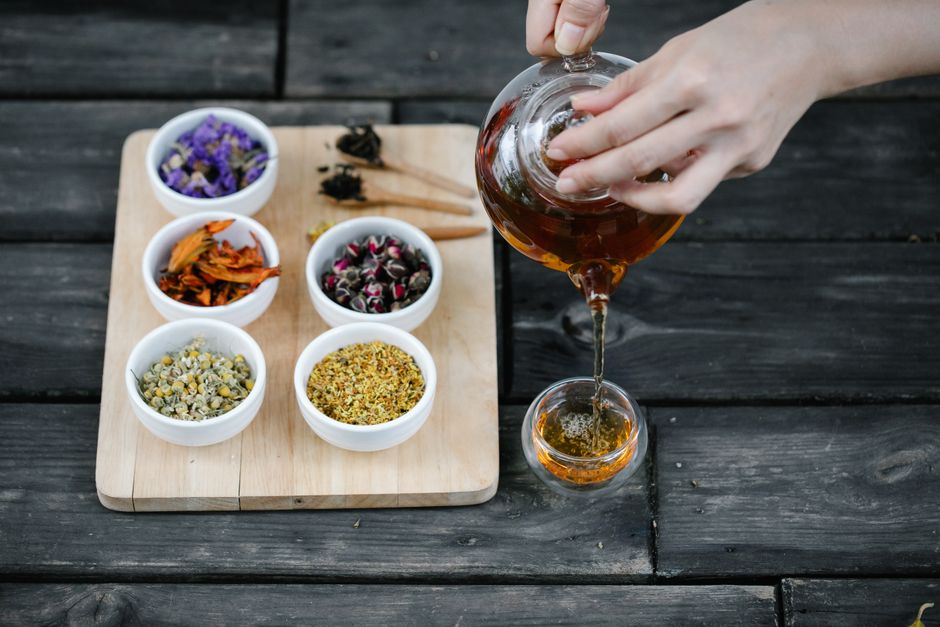
Drinking herbal tea can be a simple way to add fluids, warmth, and pleasant flavors to the day. Depending on the plant used, a cup may also provide mild digestive comfort, help replace sugary drinks, or support a relaxing evening routine. The effects are usually modest, and herbal tea should not be treated as a cure for illness.
Herbal tea is different from traditional tea made from the leaves of the tea plant. Chamomile, peppermint, ginger, hibiscus, rooibos, and lemon balm are examples of caffeine-free herbal infusions. Some blended teas may include green, black, or white tea leaves, so checking the ingredient label matters.
What are the main health benefits of herbal tea?
The most dependable benefit is that herbal tea contributes to fluid intake, especially when it replaces soda, sweetened coffee drinks, or other beverages with added sugar. Hydration supports normal body functions, and warm drinks can be especially appealing during cold, dry weather or after time spent outdoors.
Other possible benefits depend on the herb:
- Peppermint tea may feel soothing after a meal and has a cooling flavor. Peppermint tea made from leaves appears to be safe in typical amounts, although the long-term effects of consuming large quantities are not well established. ([nccih.nih.gov](https://www.nccih.nih.gov/health/peppermint-oil?utm_source=openai))
- Ginger tea is commonly used for nausea and digestive discomfort. The strength of the evidence varies depending on the condition, the preparation, and the amount consumed.
- Chamomile tea is often chosen as part of a calming bedtime routine. Research has not established chamomile as a reliable treatment for insomnia, although some early studies have examined its possible effects on anxiety. ([nccih.nih.gov](https://www.nccih.nih.gov/health/chamomile?utm_source=openai))
- Hibiscus tea has a tart flavor and may fit well into a low-sugar beverage pattern. Research has explored its effects on blood pressure, but it should not replace prescribed treatment or monitoring.
- Rooibos tea is naturally caffeine-free and can provide variety for people who want a warm drink without the stimulating effects of caffeine.
A tea’s benefit may also come from the habit surrounding it. Sitting down with a warm, unsweetened beverage can encourage a slower pace, provide a screen-free pause, and make it easier to avoid constant snacking. Those are practical wellness effects, even when a specific herb has limited clinical evidence.
Does herbal tea help with sleep or stress?
Some people find caffeine-free tea relaxing, but the drink itself is not a guaranteed sleep treatment. Chamomile and lemon balm are frequently used in evening blends, yet scientific support for treating chronic insomnia remains limited. NCCIH reports that clinical evidence is not conclusive for chamomile’s effect on insomnia. ([nccih.nih.gov](https://www.nccih.nih.gov/health/sleep-disorders-and-complementary-health-approaches?utm_source=openai))
A more realistic expectation is that herbal tea may support a consistent wind-down routine. Drinking a non-caffeinated tea, lowering evening light exposure, and keeping a regular bedtime may be more useful together than relying on one ingredient.
Avoid teas containing caffeine late in the day. Blends with green tea, black tea, white tea, yerba mate, or guarana may be stimulating even if the package uses words such as “calming” or “wellness.”
Can herbal tea improve digestion?
Certain teas may feel helpful after eating, particularly peppermint or ginger. Warm liquid can be comforting, and peppermint’s flavor may reduce the sensation of heaviness for some people. However, tea should not be used to ignore persistent abdominal pain, repeated vomiting, unexplained weight loss, blood in the stool, or difficulty swallowing.
Peppermint may worsen heartburn or reflux in some individuals. Concentrated peppermint oil is not the same as a mild leaf infusion and can have different risks and side effects. Herbal products vary considerably by preparation, dose, and combination of ingredients.
Is herbal tea a good choice in dry Wyoming conditions?
In Worland, dry air, winter heating, summer outdoor activity, and long periods inside climate-controlled buildings can all make fluid habits worth considering. Herbal tea can contribute to daily fluids, but it does not replace water during strenuous activity, heat exposure, vomiting, diarrhea, or other situations that increase fluid loss.
A practical approach is to use unsweetened tea as one option within a broader routine:
- Keep water available throughout the day.
- Choose warm tea during colder months or after outdoor work.
- Use iced herbal tea during hot weather, preferably without added sugar.
- Add flavor with citrus, mint, or spices rather than relying on large amounts of sweetener.
- Remember that thirst, urine color, activity, age, and medical conditions all affect fluid needs.
People with kidney, heart, or liver conditions may have individualized fluid limits and should follow the guidance provided for their situation.
Is “natural” herbal tea always safe?
No. Herbal products are considered dietary supplements in the United States, and manufacturers generally do not have to prove a supplement’s safety and effectiveness before it reaches consumers. Product quality, contamination, inaccurate labeling, and interactions with medicines are recognized concerns. ([medlineplus.gov](https://medlineplus.gov/herbalmedicine.html?utm_source=openai))
The risks of a mild tea are not identical to the risks of a concentrated capsule, tincture, extract, or essential oil. Even within the same plant, preparation and dose can change the effects.
Extra caution is appropriate for:
- People who are pregnant or breastfeeding
- Children and older adults
- Anyone taking prescription or over-the-counter medicines
- People preparing for surgery
- Individuals with allergies, liver disease, kidney disease, reflux, or bleeding disorders
Chamomile, for example, may trigger allergic reactions in people sensitive to ragweed, chrysanthemums, marigolds, or daisies. It may also interact with warfarin and some medicines processed by the liver. ([nccih.nih.gov](https://www.nccih.nih.gov/health/chamomile?utm_source=openai))
How can residents choose and prepare herbal tea wisely?
Start with the ingredient list rather than the front-of-package claims. A short list of clearly identified herbs is easier to evaluate than a proprietary blend that does not disclose amounts. “Detox,” “cleanse,” “fat-burning,” and “miracle” claims deserve skepticism, particularly when a product promises rapid or broad health changes.
For ordinary tea use:
1. Follow the preparation directions on the package.
2. Avoid drinking very large quantities simply because a tea is caffeine-free.
3. Introduce one new herb at a time if allergies or sensitivities are a concern.
4. Stop using it if symptoms such as rash, swelling, severe nausea, dizziness, or breathing difficulty occur.
5. Keep a record of herbal products when reviewing medicines with a pharmacist or health care professional.
Anyone taking medication should discuss regular herbal tea use with a pharmacist or health care professional, especially when the tea contains multiple herbs or is marketed for a medical purpose. Supplements can change how medicines are absorbed, broken down, or eliminated from the body. ([magazine.medlineplus.gov](https://magazine.medlineplus.gov/article/did-you-know-supplements-and-medications-can-interact-in-unexpected-ways?utm_source=openai))
For most healthy adults, a plainly prepared, unsweetened herbal tea can be a useful beverage choice and a pleasant daily ritual. Its strongest advantages are often practical: more fluid variety, fewer sugary drinks, and a calming pause built into the day. The specific herb matters, and careful use is more sensible than assuming every natural product is harmless or medically powerful.