

 See My Latest Article on HelloNation
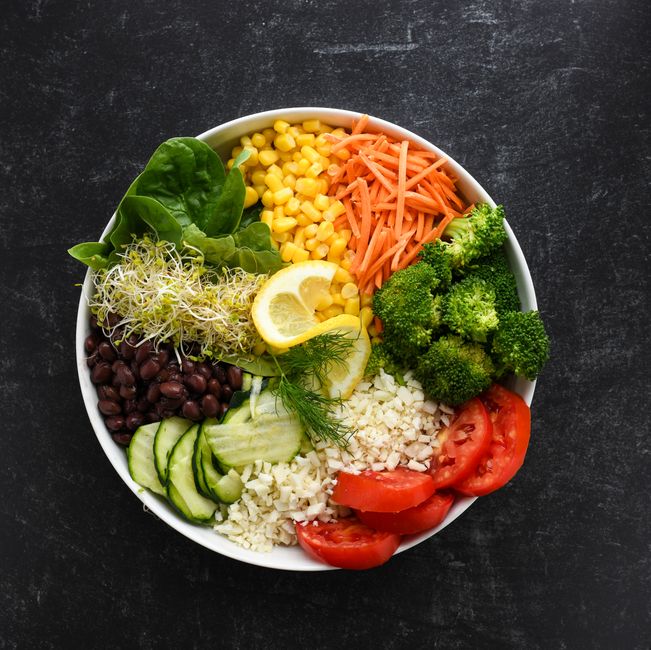
Inflammation is part of the body’s normal immune response. It helps respond to injuries and infections, but inflammation that remains elevated over time may be associated with conditions such as cardiovascular disease, diabetes, arthritis, and some digestive disorders. Diet cannot eliminate every cause of inflammation, but a consistent pattern built around minimally processed foods may help support healthier immune and metabolic function.
There is no single “anti-inflammatory” food or required meal plan. The strongest practical approach is to improve the overall balance of meals rather than rely on supplements, detoxes, or strict food rules.
What does an anti-inflammatory eating pattern look like?
An anti-inflammatory pattern emphasizes vegetables, fruits, beans, whole grains, nuts, seeds, fish, and unsaturated plant oils. It also limits excess added sugar, highly processed foods, refined grains, processed meats, and large amounts of saturated fat. This general approach resembles Mediterranean-style and other heart-healthy eating patterns. ([heart.org](https://www.heart.org/en/healthy-living/healthy-eating/eat-smart/nutrition-basics/mediterranean-diet?utm_source=openai))
A typical plate might include:
- Half vegetables or fruit
- One-quarter protein, such as beans, lentils, fish, eggs, poultry, or tofu
- One-quarter whole grains or another high-fiber carbohydrate
- A small amount of unsaturated fat, such as olive, canola, or another liquid plant oil
The goal is not perfection at every meal. The pattern repeated over weeks and months matters more than a single dessert, restaurant meal, or holiday gathering.
Which foods may help lower inflammation?
Foods that provide fiber, antioxidants, minerals, and beneficial plant compounds are useful parts of an inflammation-conscious diet.
Vegetables and fruits provide nutrients that help protect cells from oxidative stress. Dark leafy greens, broccoli, cabbage, peppers, carrots, tomatoes, berries, apples, and citrus fruits are practical choices. Fresh produce is valuable, but frozen vegetables and unsweetened frozen fruit can also be nutritious and convenient.
Beans and lentils provide fiber and plant protein. They can be added to soups, chili, salads, casseroles, or grain bowls. Increasing fiber gradually and drinking enough fluid may reduce gas or digestive discomfort.
Whole grains include oats, barley, brown rice, whole-wheat products, and other grains that retain more of the grain’s natural structure. Fiber supports digestive health and can help slow the rise in blood sugar after meals. ([heart.org](https://www.heart.org/en/healthy-living/healthy-eating/eat-smart/nutrition-basics/carbohydrates?utm_source=openai))
Nuts and seeds offer unsaturated fats, fiber, and minerals. Walnuts, almonds, pumpkin seeds, chia seeds, and ground flaxseed can be added to oatmeal, yogurt, salads, or cooked vegetables. Portions still matter because these foods are calorie-dense.
Fish and seafood provide omega-3 fats. Fatty fish may be included periodically as part of a balanced pattern, although fish is not the only source of healthy fat. Plant oils, nuts, seeds, and avocados also contribute unsaturated fats.
Herbs and spices such as garlic, ginger, cinnamon, and turmeric can add flavor without relying heavily on salt, sugar, or rich sauces. They should be viewed as useful ingredients, not cures.
Which foods are most helpful to limit?
Reducing certain foods may be more useful than searching for a perfect list of foods to add. Frequent intake of sugary beverages, refined sweets, fried foods, processed meats, and heavily refined snack foods can displace fiber-rich and nutrient-dense choices. Diets high in refined sugars, saturated fat, processed meats, and highly processed foods are associated with dietary patterns that may promote metabolic inflammation. ([nutritionsource.hsph.harvard.edu](https://nutritionsource.hsph.harvard.edu/healthy-weight/diet-reviews/anti-inflammatory-diet/?utm_source=openai))
This does not mean every item must be eliminated. A realistic approach is to make substitutions:
- Replace sugary drinks with water, unsweetened tea, or sparkling water.
- Choose oatmeal or whole-grain toast more often than pastries for breakfast.
- Use beans, fish, poultry, eggs, or lentils in place of processed meats on some days.
- Bake, roast, steam, or sauté foods more often than deep-frying them.
- Choose fruit, plain yogurt, or nuts for some snacks instead of candy or chips.
- Compare labels for added sugar and sodium, especially on packaged soups, sauces, and cereals.
Alcohol deserves caution. It can interfere with sleep, medications, blood sugar, and other health conditions. People who do not drink should not begin drinking for inflammation or heart-health reasons.
How can residents adapt this approach to local conditions?
Cold winters, dry air, seasonal availability, and longer distances between shopping trips can make fresh-food routines less predictable. Shelf-stable and frozen foods can help maintain variety when fresh produce is limited.
Keep practical staples available, such as:
- Frozen vegetables without heavy sauces
- Unsweetened frozen berries
- Canned beans with no salt added or rinsed before use
- Oats, brown rice, barley, and whole-grain pasta
- Canned fish with lower sodium when available
- Unsalted nuts and seeds
- Low-sodium canned tomatoes
- Onions, garlic, carrots, cabbage, and potatoes
Soups and stews are especially useful during colder months. A balanced version can combine beans or lentils, vegetables, tomatoes, herbs, and a whole grain. Preparing extra portions and freezing them may make it easier to avoid relying on highly processed convenience foods during busy periods.
In warmer months, salads, grilled vegetables, fresh fruit, and chilled grain-and-bean dishes can provide similar ingredients without much cooking. Local growing conditions may affect which produce is available at different times, so frozen, canned, and dried options remain reasonable parts of a nutritious diet.
Is gluten, dairy, sugar, or nightshade food automatically inflammatory?
No. Broad claims that a specific food group causes inflammation for everyone are not well supported. Some people have medically diagnosed conditions, food allergies, intolerances, or personal symptoms that require an individualized approach. Others may feel better after reducing a particular food because of changes in total calories, fiber, meal timing, or highly processed foods consumed alongside it.
Eliminating several food groups without a clear reason can make meals less varied and may create nutrient gaps. A food diary that records meals, symptoms, sleep, and stress can help identify patterns, but persistent symptoms should not be self-diagnosed solely through diet.
Do supplements reduce inflammation?
Supplements are not a substitute for a balanced eating pattern. Fish-oil and other omega-3 products have been studied for specific conditions, but benefits vary by condition, dose, and individual health status. Some supplements may interact with medications or affect bleeding risk. ([files.nccih.nih.gov](https://files.nccih.nih.gov/s3fs-public/Omega-3_11-30-2015.pdf?utm_source=openai))
Before using high-dose supplements, discuss them with a qualified health professional, particularly if taking blood thinners, preparing for surgery, managing kidney or liver disease, or being treated for a chronic condition. “Natural” does not automatically mean risk-free.
What is a simple way to begin?
Start with one meal rather than attempting a complete dietary overhaul. For example, add frozen vegetables to dinner, replace a refined grain with oats or brown rice, or include beans in one meal each week. After that becomes routine, add another change.
Inflammation is also affected by sleep, physical activity, stress, smoking, infections, body weight, and existing medical conditions. Food can support health, but it cannot replace treatment for unexplained swelling, severe joint pain, persistent fever, significant digestive symptoms, or other concerning changes. A clinician should evaluate symptoms that are new, worsening, or interfering with daily life.