

 See My Latest Article on HelloNation
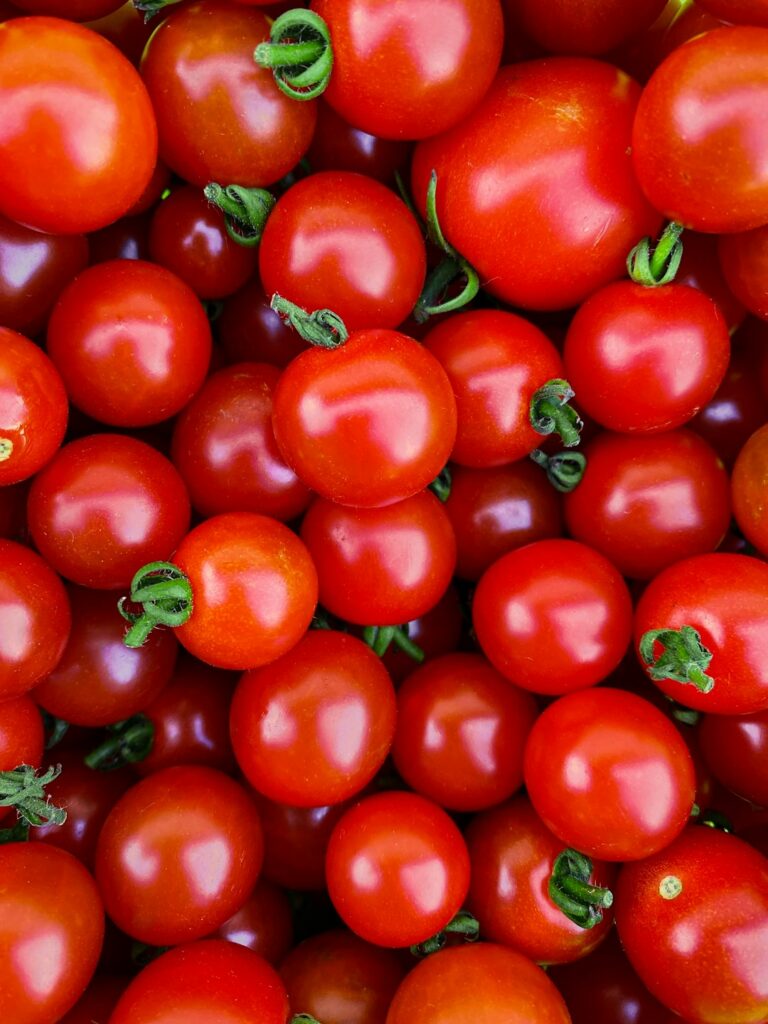
Choosing between organic and conventionally produced food does not have to be an all-or-nothing decision. For many households, the most worthwhile switch depends on the food, the budget, personal health priorities, and whether buying organic helps support a diet with more fruits, vegetables, whole grains, and minimally processed foods.
What does “organic” actually mean?
Organic is a regulated production and labeling system, not a guarantee that a food is more nutritious or completely free of chemicals. In the United States, USDA organic standards cover how crops and livestock are produced, handled, processed, and labeled. Certified operations must follow approved practices and meet verification requirements. ([ams.usda.gov](https://www.ams.usda.gov/grades-standards/organic-standards?utm_source=openai))
For packaged foods, the label categories have different meanings:
- 100% organic: All ingredients and processing aids meet organic requirements.
- Organic: At least 95% of the agricultural ingredients are certified organic, with limited exceptions.
- Made with organic ingredients: At least 70% of the ingredients are certified organic, but the USDA organic seal cannot be used.
- Organic ingredients listed: Products with less than 70% organic content may identify particular organic ingredients in the ingredient list.
Organic standards generally restrict most synthetic pesticides and fertilizers, prohibit genetic engineering, and require specific livestock practices. However, organic farming may use certain naturally derived and approved synthetic substances listed under the USDA’s National List. “Organic” does not mean “pesticide-free.” ([ams.usda.gov](https://www.ams.usda.gov/grades-standards/organic-standards?utm_source=openai))
Is organic food healthier?
The most accurate answer is: sometimes the production method changes exposure, but the overall health advantage is not firmly established.
Recent reviews have found that people who eat more organic food may have lower measurements of certain pesticide exposure biomarkers. However, studies have not consistently shown that organic food produces large, direct improvements in long-term health outcomes. Research is also complicated because people who buy organic food may differ in other ways, such as eating more produce, exercising more, or avoiding tobacco. ([pubmed.ncbi.nlm.nih.gov](https://pubmed.ncbi.nlm.nih.gov/37930102/?utm_source=openai))
Nutritionally, the difference between an organic apple and a conventionally grown apple is usually less significant than the difference between eating an apple and not eating fruit at all. Fresh conventional produce still provides fiber, vitamins, minerals, and beneficial plant compounds.
For a household managing food costs, replacing fruits and vegetables with less nutritious packaged foods simply to avoid conventional produce would generally be a poor tradeoff.
Does conventional produce have unsafe pesticide residue?
A detectable residue does not automatically mean food is unsafe. The Environmental Protection Agency evaluates pesticide uses and residue limits with consideration for toxicity, exposure, and risks to children and adults. Residues can also decrease through harvesting, transport, washing, peeling, preparation, and cooking. ([epa.gov](https://www.epa.gov/safepestcontrol/food-and-pesticides?utm_source=openai))
Washing remains useful whether produce is organic or conventional. Rinse fruits and vegetables under running water and rub firm produce with clean hands or a produce brush. Do not use soap or household cleaners. Washing can remove dirt, bacteria, and some surface residues, but it cannot remove everything. ([epa.gov](https://www.epa.gov/safepestcontrol/pesticides-and-food-healthy-sensible-food-practices?utm_source=openai))
Organic produce can still carry bacteria, soil, or naturally occurring contaminants, so it should be washed as carefully as conventional produce.
Which foods may be worth buying organic?
There is no universal list that applies perfectly to every household. A practical approach is to consider foods that are:
- Eaten frequently or in large amounts
- Consumed with the peel or outer surface
- Chosen for children, pregnancy, or other periods of heightened concern about exposure
- More affordable in organic form during a particular season
- Especially meaningful to a household’s environmental or farming values
For example, a person who eats berries, leafy greens, apples, or other produce every day may choose organic versions of those foods if reducing pesticide exposure is a high priority. Another person may reasonably buy conventional versions and spend the savings on a wider variety of produce.
For foods with thick peels or outer coverings that are removed before eating, the practical value of switching may feel smaller. Even so, peeling is not required for safety, and the skin often contains fiber and other nutrients.
What about organic meat, milk, and eggs?
Organic animal products follow additional production rules, but “organic” should not be confused with every other label used on meat, dairy, or eggs.
Organic livestock must be managed under USDA requirements, including restrictions on feed and medication. Organic ruminants must receive pasture access during the grazing season and at least 30% of their dry-matter intake from pasture for the required period. ([ams.usda.gov](https://www.ams.usda.gov/grades-standards/organic-standards?utm_source=openai))
Other terms have separate meanings:
- Grass-fed describes the animal’s diet but does not necessarily mean organic.
- Free-range generally concerns access to the outdoors and does not describe feed quality.
- Natural has a limited meaning related to processing and does not mean organic.
- No antibiotics is different from certified organic production.

If the goal is to reduce antibiotic use, improve animal-welfare conditions, or support particular farming practices, the label must be read carefully rather than assumed from a single word.
Is organic food more environmentally friendly?
Organic methods can support soil-building practices such as crop rotation, cover crops, compost use, and biological pest control. They may also reduce reliance on certain synthetic pesticides. But environmental performance varies by crop, region, irrigation needs, transportation, storage, farm size, and yield.
That matters for households in a dry, agricultural community such as Worland. Water use, growing conditions, seasonal availability, and how far food travels can all affect the broader environmental picture. A locally available food is not automatically organic, and an organic food transported over a long distance is not automatically the lowest-impact choice.
Reducing food waste is also a meaningful environmental step. Food that is purchased and discarded uses land, water, labor, packaging, and transportation without providing nourishment.
How can a household make a sensible switch?
A gradual strategy is usually more practical than trying to replace every item at once.
Start by identifying the reason for considering organic food:
- Concern about pesticide exposure
- Interest in farming and soil practices
- Preference for organic animal-production standards
- A medical or family concern discussed with a qualified health professional
- Personal taste or food values
Then compare the actual cost and availability. In the community, seasonal produce, frozen foods, dried beans, oats, and other basic ingredients may offer more value than expensive specialty products. Frozen organic produce can sometimes be a practical option because it lasts longer and reduces waste, but conventional frozen produce remains nutritious as well.
A balanced priority order might be:
1. Eat enough food and avoid unnecessary restriction.
2. Include a variety of fruits and vegetables.
3. Choose whole or minimally processed foods more often.
4. Wash produce properly.
5. Buy organic selectively if the benefits matter to the household and fit the budget.
What is the bottom line?
Organic food can be worthwhile when reducing pesticide exposure, supporting certified production practices, or following personal food values is worth the added cost. It is not necessary to buy everything organic to eat well, and organic labels do not guarantee superior nutrition, perfect safety, or better environmental performance in every situation.
For many families, the most reasonable choice is selective switching: buy organic for a few frequently eaten foods if desired, continue purchasing conventional foods that make a healthy diet affordable, and focus on variety, safe handling, and less food waste.