

 See My Latest Article on HelloNation
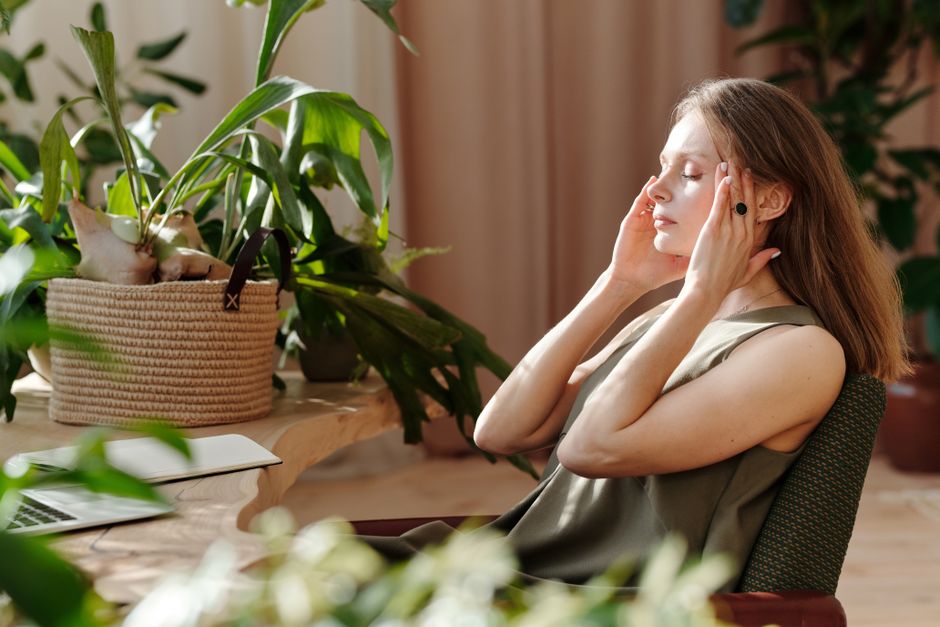
How Can a Calming Home Space Benefit Residents in Worland, WY?
A calm and soothing home environment helps reduce daily stress, supports better sleep, and improves overall well-being. Residents of Worland, WY often experience seasonal swings, with cold winters and hot, dry summers. Having a designated peaceful area indoors allows for a reliable sanctuary year-round, regardless of Wyoming’s fluctuating weather. Even small homes or apartments in the area can offer restorative spaces with intentional changes.
What Features Make a Space Feel Calming?
Visual simplicity, comfort, and natural elements all work together to create a sense of tranquility. A calming place doesn't require a major renovation—it’s about making thoughtful adjustments to lighting, décor, and layout:
- Keep surfaces uncluttered to minimize visual distraction
- Choose gentle, muted colors, such as soft blues, warm earth tones, or light greens
- Use soft, layered lighting instead of harsh overhead fixtures
- Bring in nature with indoor plants, stones, shells, or driftwood
- Incorporate fabrics like cotton, linen, or wool for added comfort
Is It Possible to Create a Calming Space in a Small Worland Home?
Yes, even a small room or corner in a home can become a calming retreat. In Worland, homes often have mudrooms or enclosed porches; these transition areas can be adapted as peaceful nooks. Rearranging existing furniture, using multifunctional pieces, or simply adding a chair and side table near a window can define a restful spot. Privacy can be created with a folding screen, hanging textile, or a tall plant.
How Does Lighting Impact a Chill Atmosphere?
Lighting profoundly affects mood. In the bright, dry climate of the region, abundant natural daylight is common. Area residents can harness this by arranging seating near south- or east-facing windows during winter for optimal sunlight. In the evenings, use lamps with warm-toned bulbs, string lights, or battery-powered candles to keep things soft and soothing. Avoid blue-toned LED bulbs in rest zones, since they can feel sterile and may disrupt sleep cycles.
Are There Local Environmental Factors to Consider?
Dry air and dust are frequent concerns in this part of Wyoming. Houseplants like snake plant or pothos are well-suited for the climate and help with air quality. Humidifiers, especially in the winter heating season, can make the air more comfortable and reduce static. Heavy curtains may help regulate heat loss during cold months and filter bright sun in summer, supporting comfort throughout the year.
What Sounds and Scents Support Calm at Home?
Sound can promote relaxation or heighten distraction depending on the environment. Many residents appreciate quiet, so layering gentle background noise—like nature sounds, a small water fountain, or soft instrumental music—can mask household disruptions. Carpets or area rugs absorb echoes in rooms with hard floors, lowering overall noise.
Scent has a strong link to feeling at ease. Lightly fragranced candles, essential oil diffusers, or a simmer pot with local herbs such as sage or pine needles add a subtle but effective touch. Good ventilation is essential, though; open windows as weather permits to refresh indoor air.
How Can Area Residents Incorporate Local Natural Elements?
Contact with nature is a core aspect of relaxation for many in the city, given access to outdoor recreation. Bringing local stones, branches, pinecones, or wildflowers inside can echo the outdoor landscape. Residents may enjoy creating small displays on windowsills or shelves as seasonal décor. Using wool throws or regional pottery in decorating choices further anchors a calming space in local tradition.
What Household Habits Help Maintain a Calming Environment?
A calming environment isn’t just about how a space looks—routine care makes a big difference in how it feels. These practices can help keep relaxation areas peaceful over time:
- Remove clutter and unnecessary items regularly
- Prioritize keeping the space clean, especially surfaces and textiles
- Limit electronics and screens; reserve the spot for quiet activities
- Rotate décor seasonally for renewed interest and comfort
Teaching children to treat shared spaces with care reinforces a calm atmosphere for all family members.
Are There Common Misconceptions About Creating Calm Spaces?
Some believe that a peaceful space has to be expensive, require new furnishings, or demand lots of square footage. In reality, calming zones can be set up with what’s already available. Another misconception is that only certain rooms, like bedrooms, work well—whereas any spot with a comfortable chair and soft lighting can serve the same purpose.
Residents sometimes overlook how much regular cleaning and reducing daily clutter contribute to a relaxing feel. Consistency in small habits has more impact than dramatic makeovers.
How to Adapt a Calming Space Across Worland’s Seasons?
Seasonal conditions strongly influence how a relaxing area feels. In cold months, layering blankets, using insulated curtains, and adding a heater or heated throw support both physical and emotional warmth. In summer, lightweight textiles, shading windows during peak sun, and incorporating airflow from fans or open windows help maintain a sense of cool comfort. Bringing in seasonal plants or outdoor finds lets the space reflect and harmonize with the changing landscape just outside.