

 See My Latest Article on HelloNation
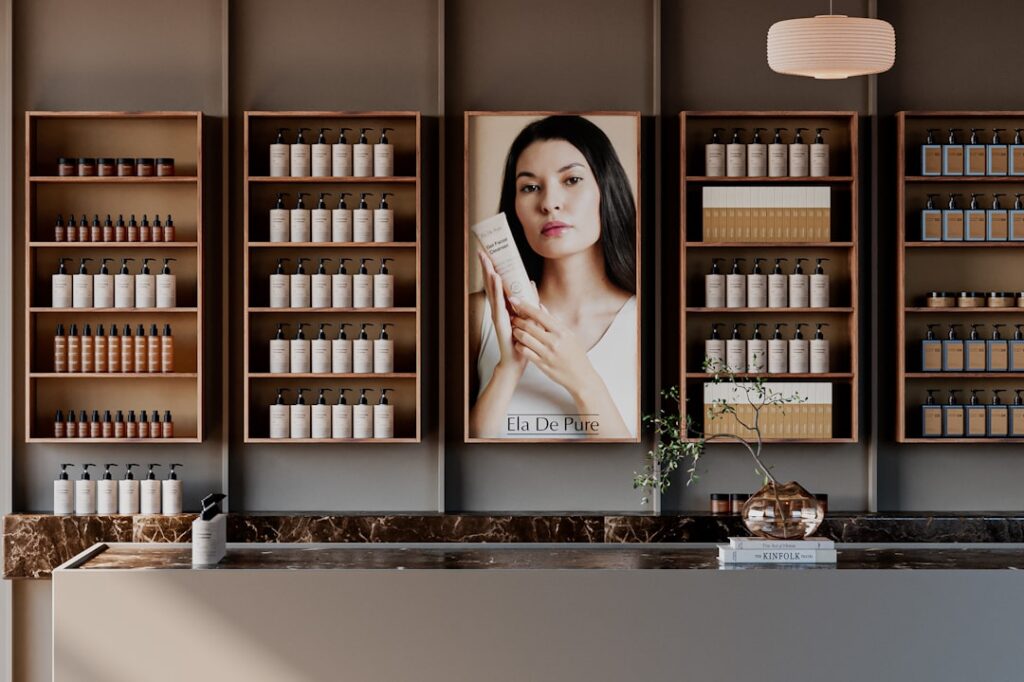
What Does "Clean Beauty" Mean?
"Clean beauty" typically describes products made without ingredients seen as harmful or controversial, but there is no legal or universal definition. For most people in Worland, WY, this can create confusion about which products are truly safer or more sustainable. Clean beauty may prioritize non-toxic ingredients, eco-friendly packaging, and transparency, but each brand or label sets its own criteria.
Some labels use "clean" to mean free from parabens, phthalates, sulfates, or synthetic fragrances. However, clean does not always mean hypoallergenic, organic, or even 100% natural.
Are Clean Beauty Products Really Better for Your Health?
Many residents question whether clean beauty items are genuinely safer for skin or overall health. Products with fewer artificial ingredients may reduce the risk of irritating sensitive skin or worsening allergies, a concern during dry months and windy seasons common in the area. However, not all natural ingredients are gentle—poison ivy is natural but certainly not safe.
Scientific evidence on long-term toxicity of many traditional cosmetic ingredients is evolving. Allergic reactions, sensitivity, and skin flare-ups can happen with both clean and conventional products. For Worland households with children or pets, minimizing certain preservatives or synthetic fragrances can lower exposure to potential irritants.
Is the Clean Beauty Label Trustworthy?
Unfortunately, anyone can label a product as "clean." Without federal regulation in the United States, standards vary widely. Local consumers should be prepared to research ingredient lists rather than rely on packaging claims.
Certifications such as USDA Organic, EWG Verified, or Leaping Bunny offer some third-party validation. However, these certifications do not cover every potentially concerning ingredient. Always read the ingredient list and look for transparency from manufacturers.
Do Clean Beauty Products Work as Well as Traditional Options?
People sometimes assume that clean beauty sacrifices results for safety. In practice, a well-formulated clean moisturizer or shampoo can be just as effective as a mainstream product.
Some clean alternatives may feel different during use. For example:
- Creams might lack the "slip" provided by silicones.
- Shampoos without sulfates usually produce less lather but can still cleanse effectively.
- Some sunscreens use mineral blockers instead of chemical filters, which may leave a white cast, especially in dry, sunny climates.
Trial and error may be needed to find the right fit, especially when dryness and wind are common challenges.
Are Clean Beauty Products Better for the Environment?
Clean beauty brands often market themselves as eco-friendly, using recyclable packaging and avoiding harsh chemicals. In Worland, where recycling facilities and municipal guidelines vary, eco-friendly packaging alone does not guarantee less environmental impact. Product transport distances, packaging types, and disposal options all matter.
Check if packaging can actually be recycled locally and pay attention to how much packaging is used. Sometimes, products claim eco-friendliness but arrive wrapped in plastics that are not accepted at local collection centers.
Are There Risks or Downsides to Clean Beauty?
While many clean products avoid certain synthetic ingredients, they can still cause problems:
- Some natural oils or plant extracts may cause strong reactions in sensitive individuals
- Shorter shelf-lives are common for preservative-free formulas, increasing the risk of product spoilage
- Higher costs are sometimes associated with clean beauty due to ingredient sourcing or small-batch production

In dry or windy seasons, watch for ingredients such as essential oils, which can dry or irritate sensitive skin despite being natural.
How Can Local Residents Find Out What's in Their Products?
Reviewing ingredient lists is the most reliable way to know what a product contains. Many people in the area find mobile apps and websites with ingredient-checking tools useful in the store or at home. Look for clearly labeled packaging, and be wary of lengthy, difficult-to-pronounce ingredients, which may indicate synthetic additives—though not always harmful, these may be worth researching further if you have sensitivities.
Keep in mind that just because an ingredient is unfamiliar does not mean it is unsafe. Some, like "tocopherol," are simply scientific names for vitamins.
Is DIY a Realistic Alternative?
Given the strong DIY culture and resourcefulness in the community, some residents make their own skincare or body care items using ingredients like coconut oil, shea butter, or oatmeal. While this can minimize synthetic exposure and lower costs, homemade products lack preservatives and standard testing. Store them in small batches and use quickly. Pay attention to potential allergies, and avoid recipes that use citrus or other photosensitizing ingredients before sun exposure, especially during outdoor activities.
What Do Local Conditions Mean for Clean Beauty Choices?
The area’s dry, often windy climate and semi-rural lifestyle may mean looking for beauty products that:
- Avoid ingredients that dry out skin, like sodium lauryl sulfate or high levels of alcohol
- Focus on gentle moisture—look for items featuring aloe, sunflower oil, or shea butter
- Limit strong fragrance, which may be more irritating as skin dries out in heated homes during winter
Understanding your own skin needs and sensitivities is key. Local residents with allergies or chronic dryness may need to try different routines or consult a healthcare practitioner for persistent skin issues.